


Engineer in marine ecology and tech diver
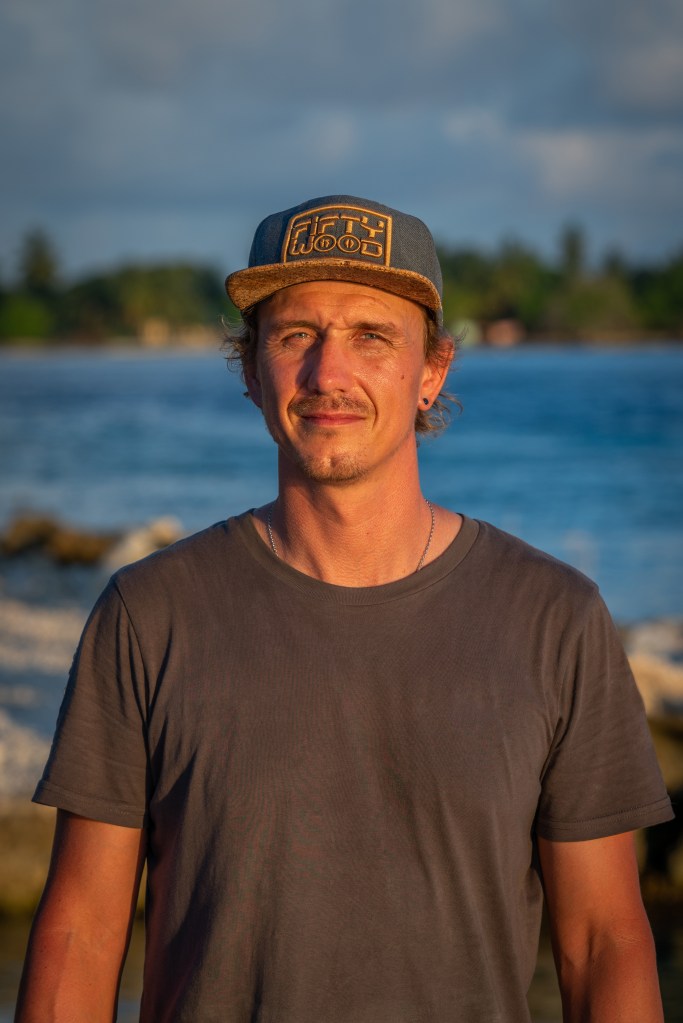
I graduated of a Msc degree in Marine Ecology and trained Trimix Hypoxic Rebreather Diver.
I worked as a conservation project manager for the Sulubaaï Environmental Foundation (SEF) (link) from 2015 to 2018, where I contributed to the implementation of a Marine Protected Area around Pangatalan Island. During this time, I design and develop with Frederic Tardieu (SEF President) a coral restoration technique that we called SRP (Sulu Reef Prosthesis). It is based on artificial reefs that support coral fragments growth. It uses a mechanical locking system to receive coral transplants (without the use of chemicals or plastic).
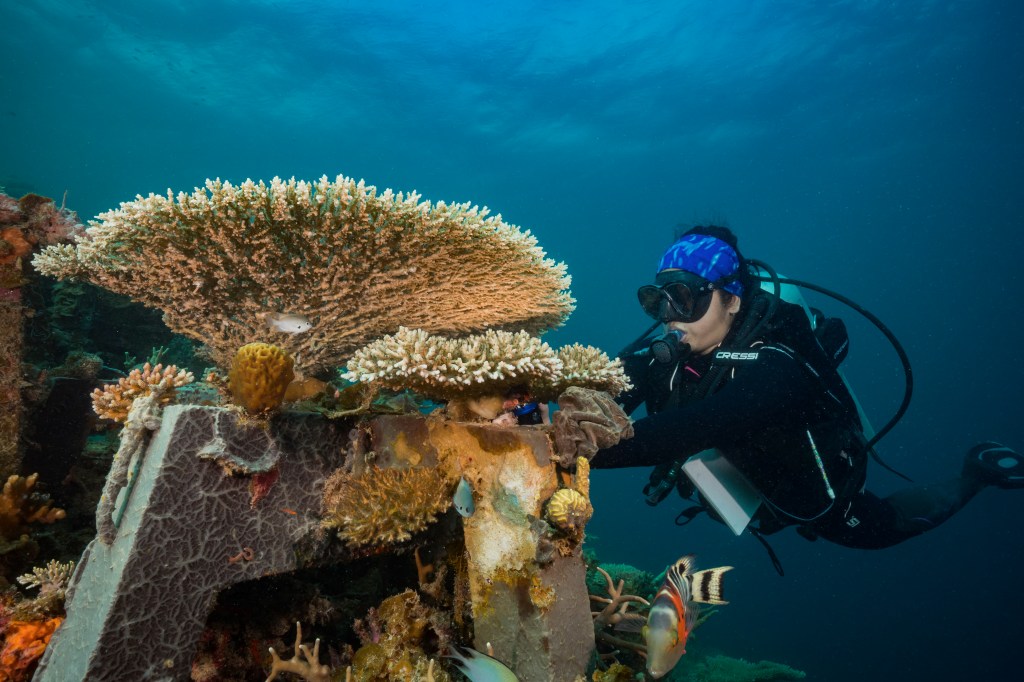
I have been working closely with Andromède Océanologie (link) since 2018 as a scientific diver to carry out ecosystems surveys and mapping. In June 2018 I joined the Gombessa Expedition team (link) lead by Laurent Ballesta as a scientific diver, cameraman and operation support. During those expeditions, I could take part in deep and technical diving operations in various locations and environments (Philippines, French Polynesia, Corsica, etc.).
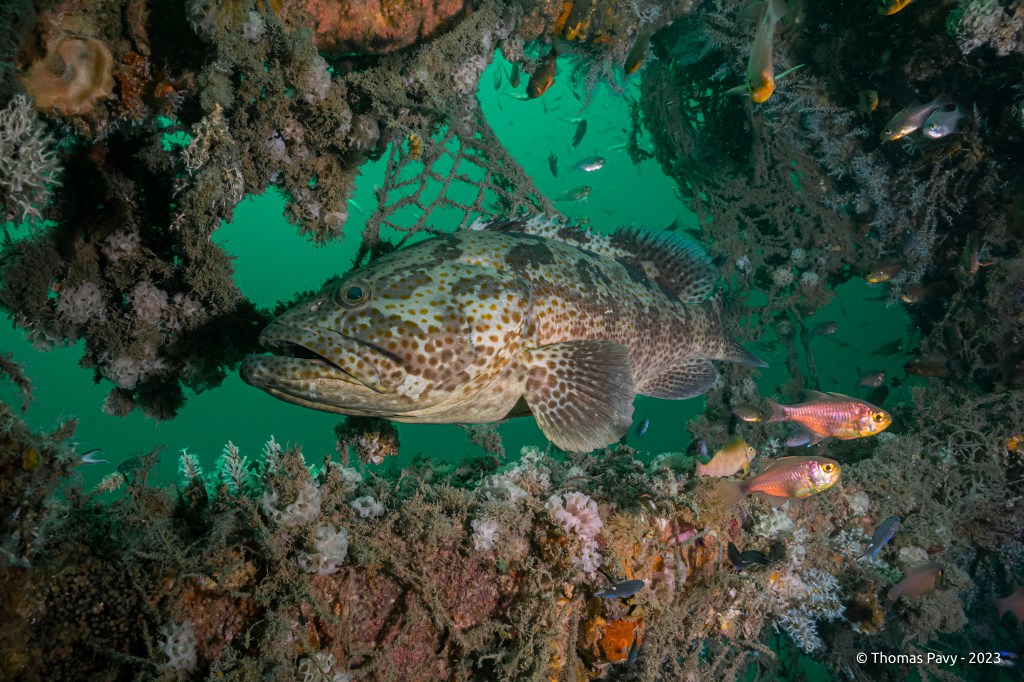
I am also passionate by underwater photography. I use this skill to illustrate underwater scientific protocols and wildlife in order to create communication material for projects and studies (see slideshow below) (Instagram).


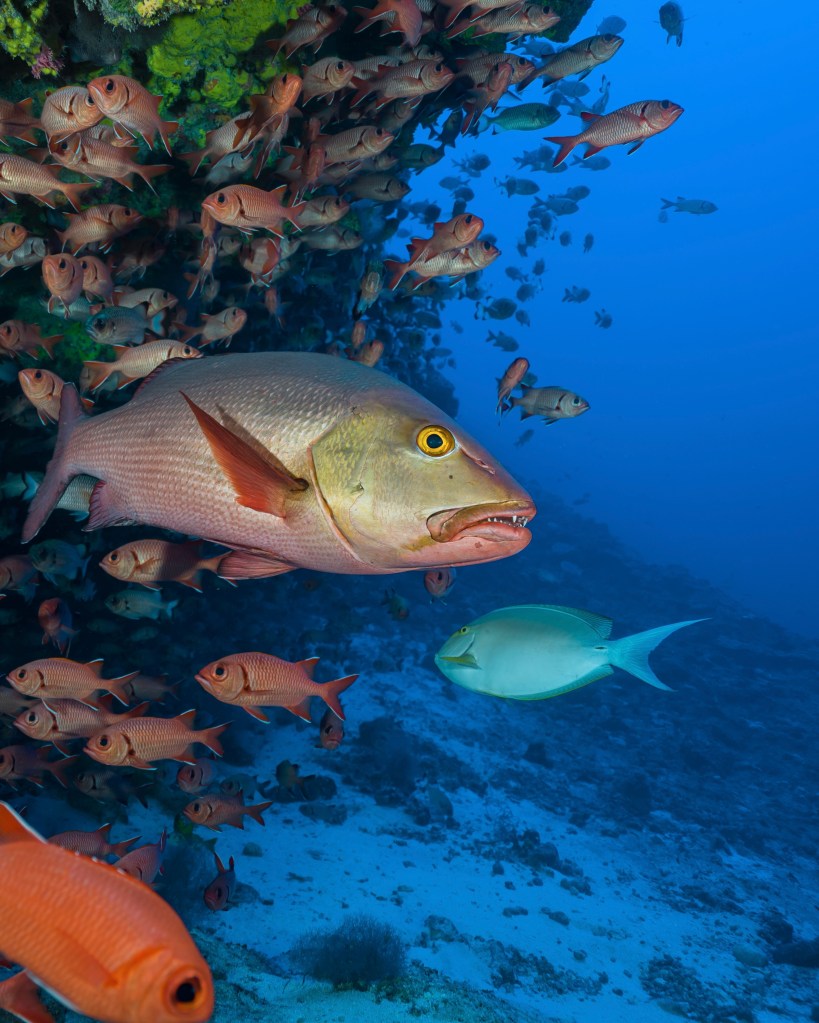
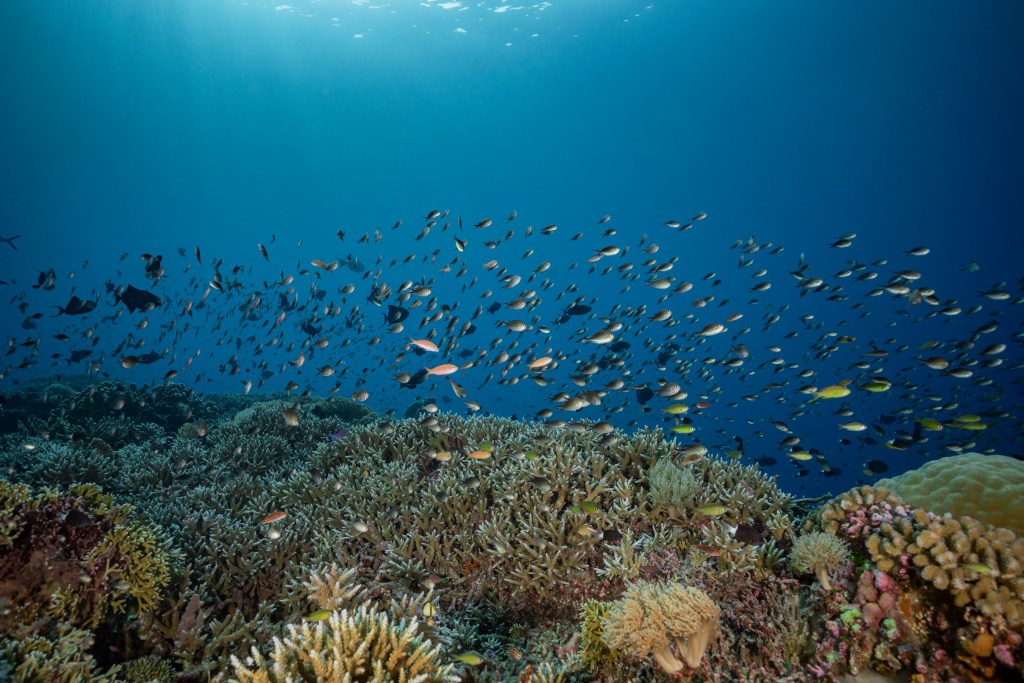
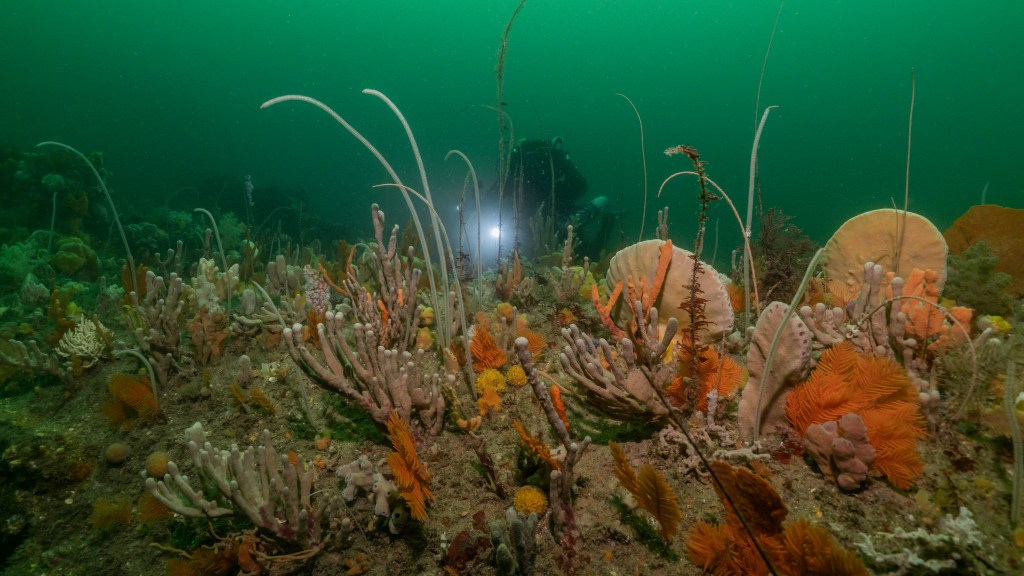
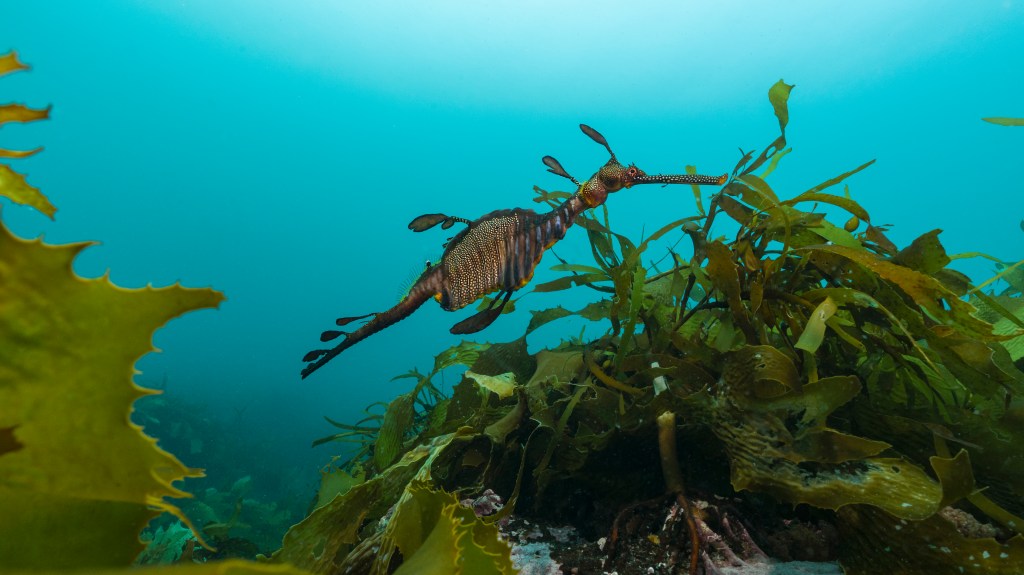
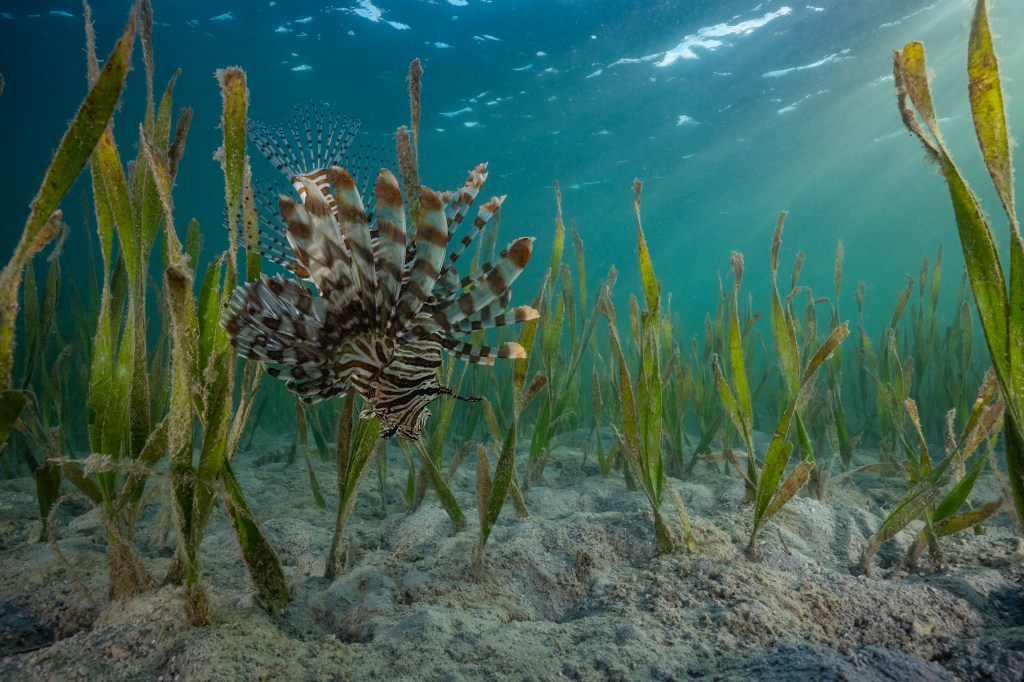
Over the least 10 years I have gained the capacity and technicity to create, and apply research in the mesophotic area (-60 to -150 m). Because of their difficulty of access, mesophotic ecosystems (ME) benefit from a limited knowledge and understanding of their biodiversity, ecological dynamics, and connectivity. To address this statement, I designed and developed the STEED methodology in June 2022. The device has been subject to a patent publication in the official journal on December 29, 2023, under the reference FR3137059.
In July 2024, in association with Gombessa Expeditions, we deployed the innovative STEED methodology to collect data on four biotic communities among 30 stations (between -120 m and -9 m) in Tubbataha Reefs Natural Park (link). On the 06/07/24, I managed to collect data at four stations (-120, -80, -40 and -9 m, including four biotic communities each) on a single dive (3h51min including decompression stops), considerably fastening mesophotic habitats exploration and description. Realising such data collection in one time using STEED allows to save time, reduce costs (compare to ROV or AUV deployment) and increase safety by reducing the number of technical dives.
 STEED - Synchronised Transect for Ecosystems Exploration and Description